Nurse Led
Clinical experience shapes the education, resources, and implementation guidance.

Meet the founder
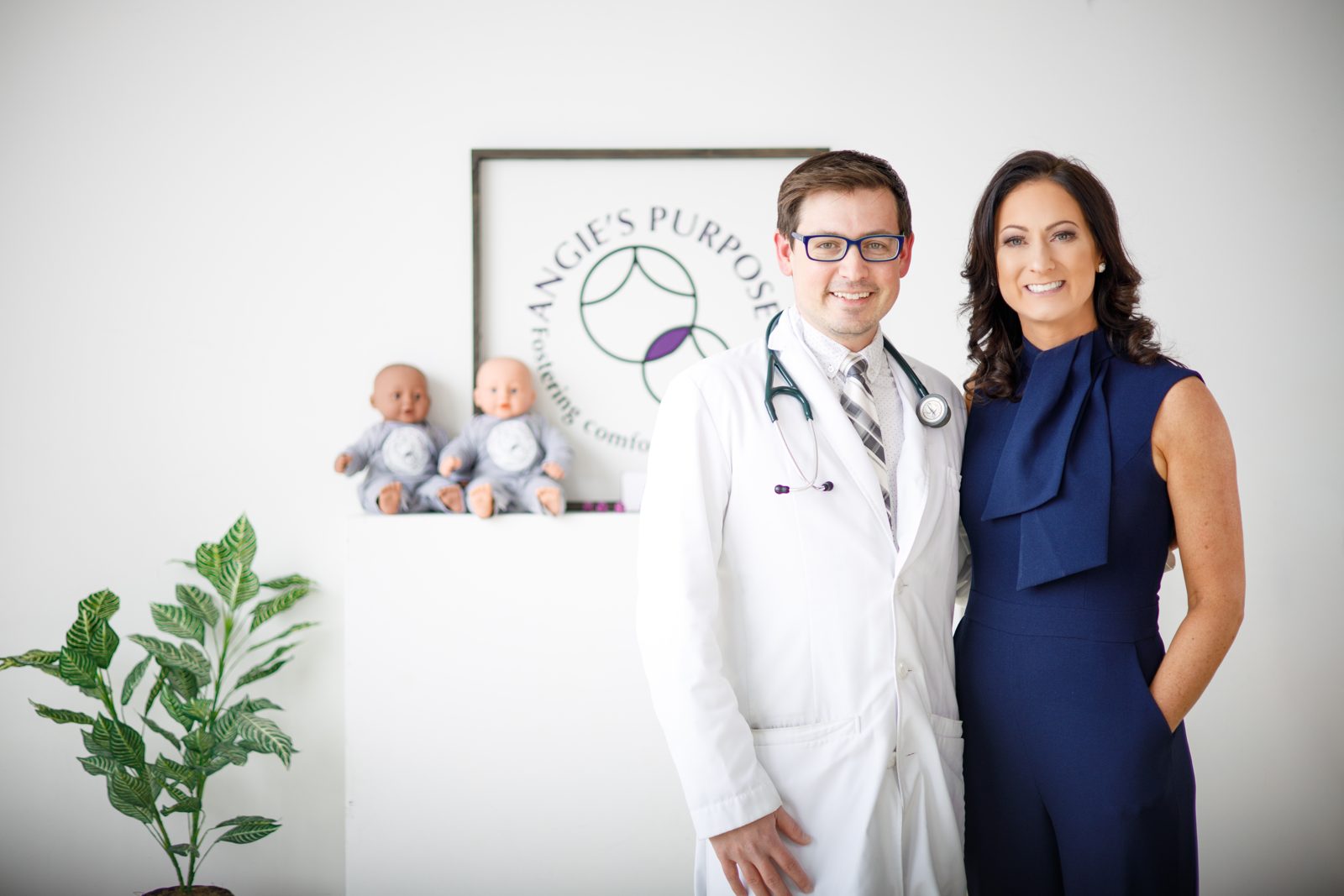
Angie Filipiak, MSN, RN, NEA BC, helps hospitals, senior communities, and families use doll therapy with dignity, education, and practical support.
Angie’s story
Angie began exploring doll therapy in 2016 while managing a medical-surgical unit. Her nursing team was caring for patients with dementia who were frightened, restless, and trying to get out of bed.
One patient, a former NICU nurse, held a towel with a smiley face and called it her baby. Angie noticed that holding it brought the patient comfort, and she purchased a baby doll for the unit.
Months later, another patient who was distressed and at high risk of falling became calmer while holding the doll. That experience led Angie to explore the literature and how doll therapy could be introduced thoughtfully in hospital care.
Her work grew to include research across six hospitals and thirty nursing units, along with practical education and implementation resources for staff and families. The hospital findings are shared on the Research and In the Media page.
Why Angie’s Purpose exists
After the study, other hospitals contacted Angie because they wanted to introduce doll therapy but needed a place to start. They asked which dolls to choose, how to introduce one, how to educate everyone entering a patient’s room, and how to sustain the program beyond the first month.
Angie founded Angie’s Purpose in 2021 to help answer those questions. She has now implemented doll therapy at over 30 hospitals and 4 senior living communities. Her programs bring together education, resources, and ongoing implementation guidance. Her purpose is to bring comfort, safety, and hope to people living with dementia, with practical support for the people who care for them.
What guides the work
Clinical experience shapes the education, resources, and implementation guidance.
Program decisions draw from real hospital implementation and documented outcomes.
Every recommendation protects dignity and responds to the person’s needs and preferences.
Experience behind the program
Research recognition and media features are shared on the Research and In the Media page.
Explore the Research